Review: Hanging Bow Frame Embroidery Design for Craft Fairs
As an embroidery designer who has spent countless weekends standing behind booth tables, I have learned that not every digital file translates into a bestseller. We often get caught up in the technical perfection of a machine embroidery design, forgetting to ask the most important question: will this stop a shopper in their tracks? Today, I am reviewing the Hanging Bow Frame Embroidery Design with a critical eye toward real-world application for craft fair sellers and handmade shop owners.
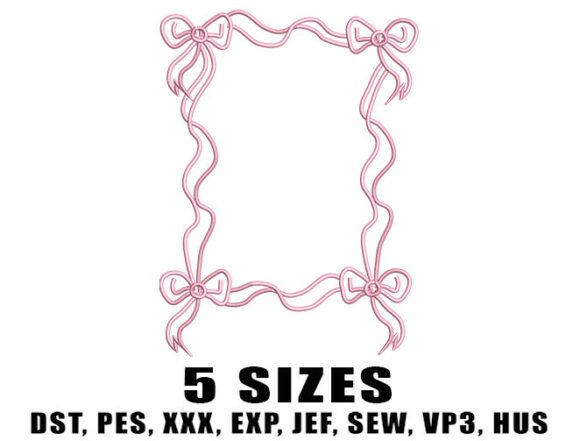
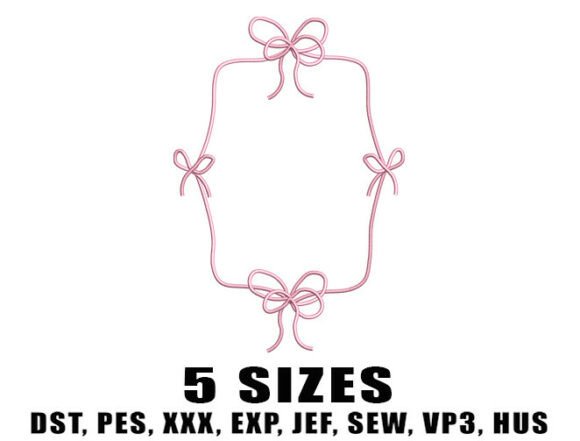
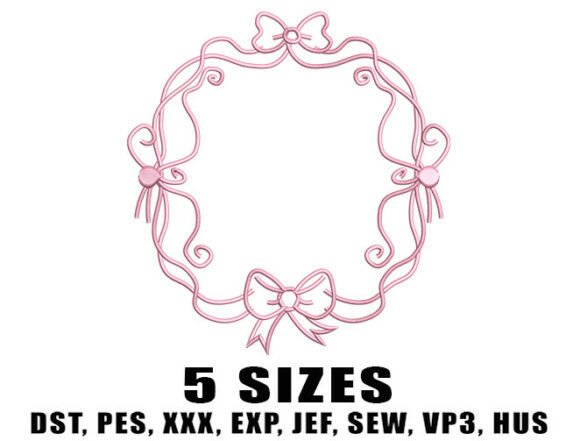
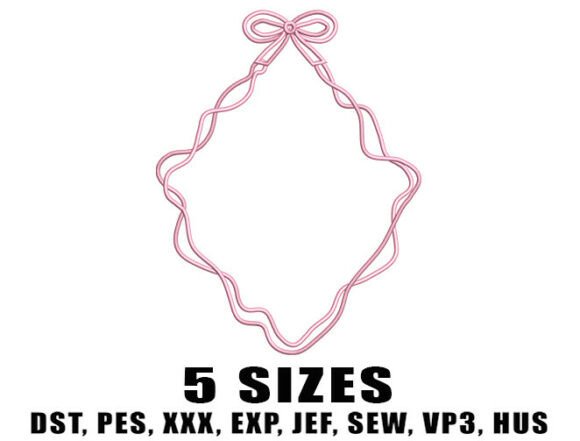
This specific design features a unique hanging frame structure with a flowing ribbon and a prominent top bow. It is marketed as perfect for tags, signs, or decorative monograms, and it comes in five sizes ranging from 3.8 inches to 6.8 inches. From a Nursery perspective, this aesthetic leans heavily into the soft, whimsical, and elegant categories. It does not scream rustic or industrial; instead, it offers a polished, boutique feel that appeals to buyers looking for premium handmade gifts.
First Impressions and Visual Appeal
When I first loaded the embroidery file into my software, the immediate impression was one of graceful movement. The "flowing ribbon" description is accurate, and this fluidity is what makes the design stand out against rigid geometric frames. For a craft fair product, visual flow is essential because it guides the eye. The top bow acts as a natural focal point, drawing attention upward, which is ideal if you plan to add a monogram or a small business logo in the center.
The design feels decorative and feminine without being overly childish. This versatility is crucial for an Etsy seller or boutique maker who wants to target multiple demographics. It works beautifully for baby showers, fitting perfectly within the Nursery theme, but it is equally suitable for bridal gifts or sophisticated home decor. The elegance of the bow suggests a higher price point, allowing you to position your finished product as a luxury item rather than a basic commodity.
Product Applications for Maximum Sales
To determine the best use for this design, I evaluated how it performs on various common handmade product bases. The varying sizes, from 3.8 inches to 6.8 inches, offer significant flexibility.
- Tote Bag Design: The medium to large sizes (5.8 to 6.8 inches) work exceptionally well on canvas tote bags. Placed centrally or slightly off-center, the frame creates a professional look that elevates a simple bag into a branded accessory.
- Apron Embroidery: This is perhaps the strongest contender. The hanging nature of the frame mimics the drape of an apron bib. Stitching this on a high-quality linen or cotton apron creates an instant heirloom feel.
- Tea Towel Embroidery: Using the smaller 3.8 or 4.8-inch sizes on kitchen towels allows for a delicate accent. However, caution is needed regarding fabric texture, which I will address later.
- Embroidered Patch: If you stabilize correctly, this design can be cut out as a patch. The bow details provide clear boundaries for cutting, making it a viable option for adding value to jackets or hats.
- Pillow Covers: A large 6.8-inch frame centered on a throw pillow cover creates a bold statement piece. It serves as an excellent sample for your booth display to show off stitch quality.
For commercial embroidery businesses, this design is also suitable for branded tags. The frame can enclose a care label or a "handmade with love" message, adding a layer of professionalism to your packaging.
Production Practicality and Batch Efficiency
From a production standpoint, the Hanging Bow Frame Embroidery Design appears efficient. The flowing lines suggest satin stitches or narrow column stitches, which generally run faster than dense fill areas. For a small shop product line, speed matters. If you are preparing for a weekend market, you need designs that stitch out reliably without constant thread breaks or trimming.
The design’s clarity at a glance is a major selling point. Customers walking past your booth do not have time to decipher complex imagery. The bow and frame are universally recognized symbols of gift-giving and decoration. This immediate recognition reduces the cognitive load on the buyer, making the purchase decision easier. Furthermore, the design photographs beautifully for online listings. The symmetry and clean lines create a balanced composition that looks professional in a printable mockup or a flat-lay photo.
Careful-Use Notes and Technical Considerations
While the design is strong, there are technical aspects every digital embroidery file user must consider to avoid costly mistakes.
- Fabric Texture: The flowing ribbon details may lose definition on highly textured fabrics like thick waffle-weave towels. Test on smooth cotton or linen first to ensure the stitch density captures the nuance of the ribbon folds.
- Stabilizer Selection: Because this is a frame design, hooping stability is critical. Use a cut-away stabilizer for stretchy fabrics like tote bags or caps to prevent distortion. For woven fabrics like tea towels, a tear-away may suffice, but always test first.
- Thread Colors: The success of this design relies heavily on contrast. If you stitch a white bow on a cream background, the details will vanish. Choose thread colors that pop against your base fabric. Metallic threads could add a festive touch for holiday markets but may increase breakage risk.
- Curved Surfaces: If applying this to caps, remember that the 6.8-inch size may be too large for standard front panels. Stick to the smaller sizes for headwear to maintain proportion and avoid wrapping around the curve excessively.
- Dense Stitch Areas: Check the knot where the bow ties. If the stitch density is too high in this small area, it can cause puckering. Review the design in your software and consider adding a underlay if necessary.
Designer Tips for Best Results
Before committing to a full production run, follow these practical steps. First, always test the design on scrap fabric identical to your final product. This helps you identify any tension issues or registration errors. Second, create at least one real mockup. Digital design assets can look different on screen than in thread. Seeing the physical texture helps you judge the true value of the handmade quality.
Compare fabric colors side-by-side with your thread chart. A mismatched tone can make a premium design look cheap. Finally, confirm your commercial licensing. Ensure that the digital embroidery file provider allows you to sell finished physical goods. Most designers do, but it is vital to verify this to protect your business.
In conclusion, the Hanging Bow Frame Embroidery Design is a versatile and commercially viable asset for your Embroidery business. Its elegant aesthetic, combined with practical sizing options, makes it a strong candidate for high-margin items like aprons and tote bags. By paying attention to fabric choice and stitch execution, you can turn this digital file into a standout craft fair product that enhances your brand consistency and drives buyer engagement.