Reviewing Floral Pumpkin Embroidery for Real Projects
As a designer who has spent countless hours staring at digitized files and watching needles dance across fabric, I have learned that not every machine embroidery design is created equal. Some look stunning on a screen but turn into a tangled mess of thread breaks and puckering on the hoop. Today, I am pulling back the curtain on Floral Pumpkin Embroidery, a file that promises boldness and detail, to see if it holds up under the scrutiny of real-world production.
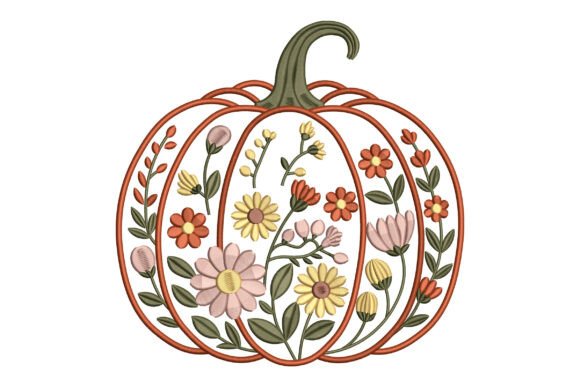
My first impression of this embroidery file was one of confident simplicity mixed with intricate detailing. The concept merges the rustic charm of autumn harvest with delicate botanical elements. It does not scream for attention with neon colors or chaotic shapes; instead, it invites a closer look. For those of us running a craft business or selling on platforms like Etsy, visual appeal is only half the battle. The other half is stitchability and end-product durability. This design sits at a fascinating intersection, offering enough density to feel premium without overwhelming standard home machines.
The Real-World Test: A Custom Tote Bag Scenario
To truly evaluate Floral Pumpkin Embroidery, I imagined a specific client request. A local boutique owner wanted a limited run of canvas tote bags for her fall market launch. She needed something that felt handmade yet polished, avoiding the cheap look of mass-produced prints. I loaded the design into my software to simulate the outcome on a medium-weight cotton canvas.
The available size of approximately 4.01″ x 3.99″ is a sweet spot for this application. It is large enough to be a focal point on a tote or a sweatshirt chest but small enough to fit comfortably on a baby onesie or a cap front. With 20,195 stitches packed into that four-inch square, the stitch density is significant. In my simulation, the fill stitches provided solid coverage for the pumpkin body, while the floral accents likely utilized a mix of satin and running stitches to create texture. This balance is crucial for a finished product that feels substantial without being stiff.
Performance Across Different Fabrics and Items
When considering where to use this design, versatility is key. For custom apparel, such as a heavyweight sweatshirt, this design would shine. The dense stitching would sit well on the fuzzy texture of fleece or French terry, creating a nice contrast. However, I would approach thin fabrics with caution. If you are planning to use this on a lightweight t-shirt, the high stitch count could cause puckering if not properly stabilized. Always use a cut-away stabilizer for stretchy knits to maintain the integrity of the sweatshirt embroidery or tee over time.
For holiday embroidery projects, this piece fits naturally into the Halloween and autumn niche. It works beautifully on kitchen towels, adding a seasonal touch that doesn't feel kitschy. Imagine this stitched onto a linen tea towel in warm oranges and deep greens; it becomes an instant heirloom-quality item. Similarly, for baby embroidery, scaling down to the smaller available size (if applicable) or using the 4x4 inch version on a muslin swaddle or bib requires careful thread selection. Soft, matte threads work better here than shiny rayon, which might look too harsh against delicate skin.
Navigating Technical Challenges
Every designer knows that details can make or break a project. With Floral Pumpkin Embroidery, the intricate floral elements require precision. If you are stitching on textured fabrics like terry cloth or heavy denim, some of the finer lines might get lost. I recommend testing the design on scrap fabric first, ideally the same type you plan to use for the final handmade product. This allows you to check thread color contrast and ensure the small details remain crisp.
Another consideration is the hoop size. While the design fits within a standard 4x4 or 5x5 hoop, always confirm your machine’s maximum area. If you are working on curved surfaces like caps, ensure you have the right attachment and stabilizer setup. The density of 20,195 stitches means the fabric will pull slightly, so proper hooping technique is non-negotiable to avoid distortion.
Commercial Viability and Brand Consistency
For Etsy sellers and small shop owners, the perceived value of a product is often tied to the complexity of the work. This design offers a high perceived value because it looks detailed and time-consuming, even though modern machines handle the workload efficiently. Using Floral Pumpkin Embroidery in your lineup can help establish brand consistency if your aesthetic leans toward rustic, botanical, or seasonal themes. It serves as a strong design asset for creating printable mockups and digital previews, helping customers visualize the final item before they buy.
However, commercial use comes with responsibility. Before listing items featuring this design, verify the license terms provided with the digital embroidery file. Some creators allow unlimited sales of physical items, while others may have restrictions. Ensuring you are compliant protects your business and builds trust with your customers. Additionally, consider how this design fits into your broader catalog. Does it complement your existing applique design offerings? Does it offer a fresh alternative to standard satin stitch monograms?
Practical Designer Notes for Best Results
- Test on Scrap Fabric: Never skip this step. Check for thread breaks, especially in the dense floral areas.
- Check Thread Contrast: Use contrasting colors for the flowers and the pumpkin to ensure the details pop. A monochromatic look can sometimes flatten the design.
- Review Stitch Density: With over 20,000 stitches, ensure your machine is well-oiled and your needle is fresh. A size 75/11 or 80/12 embroidery needle is usually suitable for general purposes, but adjust based on thread weight.
- Stabilizer Choice: Use a medium-to-heavy weight cut-away stabilizer for knits and a tear-away for woven fabrics that do not stretch.
- Mockup Testing: Create black and white mockups to see if the design reads well without color. This helps in understanding the structural balance of the embroidery project.
In conclusion, Floral Pumpkin Embroidery is a robust choice for designers looking to add seasonal depth to their portfolio. It requires respect for its density and attention to detail during the stitching process, but the payoff is a professional, eye-catching result. Whether you are creating a personalized gift for a friend or stocking your online store with small shop products, this design delivers the quality and charm that customers appreciate. Just remember to plan your materials carefully, respect the technical requirements of the file, and let the natural beauty of the stitch work speak for itself.