Reviewing the Fluffy Dog Embroidery Design for Merch
As an embroidery designer who has spent years digitizing artwork and troubleshooting production issues for small businesses, I approach every new machine embroidery design with a critical eye. It is not enough for a file to look cute on a screen; it must perform under the needle, withstand washing, and elevate the brand it represents. Recently, I had the opportunity to review the Embroidery Design Fluffy Dog, a file that promises to let your artistry take flight with an enchanting depiction of a cuddly canine. After putting it through its paces on various fabrics and hoop sizes, I am ready to share my professional assessment of how this design fits into a commercial workflow.
First Impressions: Visual Personality and Appeal
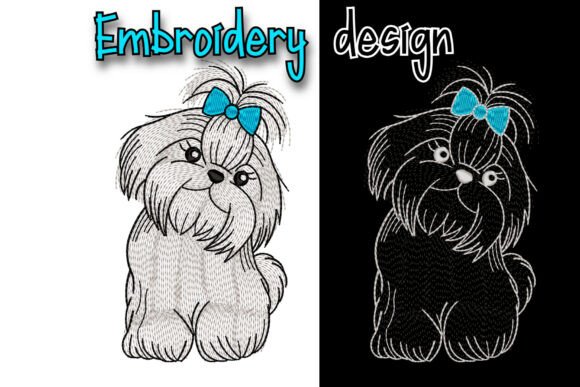
The first thing that strikes you about the Embroidery Design Fluffy Dog is its remarkable realism blended with a soft, approachable aesthetic. The description highlights a "soft, dual-hued" recreation, which immediately suggests a design that relies on subtle shading rather than harsh outlines. For brands in the pet industry, boutique retail, or creative studios, this visual personality is invaluable. It feels friendly, premium, and distinctly handmade without appearing amateurish.
Unlike generic clipart-style logos, this design carries an emotional weight. It evokes warmth and trust, which are crucial elements for customer engagement. Whether you are running a local bakery, a florist shop, or a specialized pet brand, the imagery aligns perfectly with businesses that want to project care and quality. The dual-hue approach ensures that the dog does not look flat, adding depth that mimics high-end illustration.
Performance in Real Business Applications
When evaluating a digital embroidery file for commercial use, I always ask: where does it live best? I tested this design across several common merchandise items to see how it holds up in real-world scenarios.
- Embroidered Patches: This is arguably the strongest application. The fluffy texture translates beautifully into satin and fill stitches, creating a tactile experience that customers love. A patch featuring this dog can serve as a standalone product or a branded add-on for jackets and bags.
- Apron Embroidery: For cafes and bakeries, staff uniforms are walking billboards. Placing this design on the chest pocket of an apron adds a touch of whimsy and professionalism. It softens the uniform while maintaining a clean, branded look.
- Tote Bag Design: Canvas totes are a staple for Etsy sellers and boutique owners. The design’s realism stands out against the natural texture of canvas, making it an attractive option for eco-friendly merchandise or customer gift bags.
- Cap Embroidery: While possible, this requires careful placement. The curved surface of a cap front can distort detailed designs. However, if scaled correctly, it makes for a charming accent on dad hats or beanies sold in pet-themed shops.
For small business merch, versatility is key. This design works well as a central focal point on larger items like tote bags or hoodies, but it also functions effectively as a subtle sleeve detail on work shirts. It enhances brand identity by providing a consistent visual marker that customers can recognize across different products.
Technical Considerations and Production Notes
While the aesthetic appeal is high, technical execution determines whether a job is profitable or a headache. Here are my practical notes for embroiderers preparing to run the Embroidery Design Fluffy Dog.
Fabric Texture and Stabilizer Choice
The "fluffy" nature of the design implies a certain level of stitch density to achieve that soft, realistic look. On textured fabrics like terry cloth or heavy canvas, you must ensure your stabilizer is robust enough to prevent sinking. I recommend using a cut-away stabilizer for garments that will undergo frequent washing, such as staff uniforms or active wear. For tote bags, a heavy-duty tear-away might suffice, but always test first.
Thread Colors and Contrast
The description mentions "dual-hued," which suggests a limited but strategic color palette. This is beneficial for production speed and cost. However, you must check thread color contrast against your garment color. If you are embroidering on dark uniforms, ensure the lighter hues in the dog’s fur have enough brightness to pop. If the contrast is too low, the realism will be lost, and the design may look muddy from a distance.
Scale and Hoop Size
One common mistake with detailed animal designs is scaling them down too far. Before committing to a large production run, verify the recommended hoop size. If you attempt to shrink this design for a tiny left-chest logo on a polo shirt, the fine details of the fur may merge, losing that "remarkable realism." I advise creating a printable mockup at actual size to visualize the stitch spacing. If the stitches appear too dense or too sparse in the preview, adjust the scale accordingly.
Strategic Branding and Customer Trust
Beyond the technical specs, consider how this design impacts your brand identity. In the world of custom apparel and handmade goods, perceived value is everything. A poorly executed embroidery job can cheapen a brand, but a high-quality, realistic design like this one elevates it. It signals to the buyer that you care about details.
For Etsy sellers and crafters, using this design as part of your design assets can help differentiate your shop from competitors using generic, low-resolution graphics. It adds a layer of sophistication to your finished product. When customers receive a tote bag or patch with such a lifelike depiction, they are more likely to share it on social media, driving organic engagement and trust.
Final Verdict and Recommendations
The Embroidery Design Fluffy Dog is a strong contender for small businesses looking to add character to their merchandise. It balances artistic charm with commercial viability. However, success depends on proper preparation.
- Test in Black and White: Before threading up, run a test stitch-out in monochrome to check for density issues and registration accuracy.
- Confirm Licensing: Always verify the commercial license terms included with the embroidery file. Ensure you have the right to use it on items for sale.
- Check File Formats: The prompt does not specify exact file formats or stitch counts. Contact the provider to ensure the file is compatible with your machine brand (Brother, Janome, Bernina, etc.) and check the stitch count to estimate production time.
- Mockup for Approval: If working with clients, create a digital mockup showing the design on their specific garment color to manage expectations regarding contrast and size.
In conclusion, if you are in the market for a design that bridges the gap between playful and professional, this file is worth considering. It is particularly well-suited for pet brands, family-oriented boutiques, and creative studios aiming to enhance their commercial embroidery offerings. Just remember: the magic is in the execution. Take the time to test, adjust, and perfect your setup, and this fluffy companion will become a valuable asset in your design library.