Anatomical Brain Embroidery: A Designer’s Review
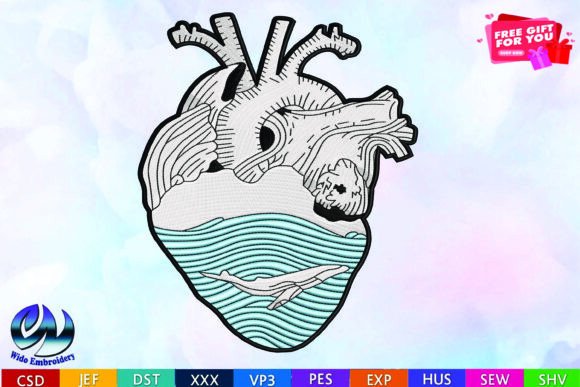
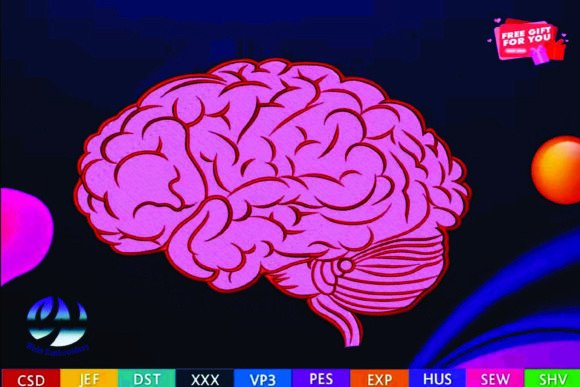
As an embroidery designer who has spent countless hours prepping for weekend craft fairs, I know that the difference between a browsing customer and a buying customer often comes down to visual impact. When I first pulled up the Anatomical Brain Machine Embroidery design files, my immediate thought was about versatility. This isn’t just a medical motif; it is a statement piece for the modern maker. The design feels bold, intellectual, and slightly edgy, fitting perfectly into the current trend of "smart casual" home decor and apparel. For those of us running small shop products or Etsy stores, finding a digital embroidery file that bridges the gap between niche interest and mainstream appeal is rare.
First Impressions and Visual Appeal
The aesthetic of this design leans heavily into the modern and inspirational categories. It is not overly cute or rustic; instead, it carries a premium, decorative weight. When evaluating a new machine embroidery design, I look for clarity. Does the subject read well from three feet away? With the anatomical brain, the intricate folds and lobes provide natural texture that catches the light beautifully. This makes it an excellent candidate for booth samples where you need to grab attention quickly. The design feels substantial, suggesting high-quality handmade product value rather than a cheap, mass-produced item.
For craft fair sellers, this visual strength is crucial. A tote bag with a large, detailed brain embroidery stands out against a sea of generic floral patterns. It signals to the buyer that the creator pays attention to detail and offers something unique. Whether you are targeting students, medical professionals, or simply lovers of quirky science art, the emotional connection is immediate. It sparks conversation, which is the lifeblood of any successful market stall.
Product Applications and Market Fit
The description notes that the Anatomical Brain Machine Embroidery is digitized in 6 sizes and available in 10 formats. This flexibility is a game-changer for production. I immediately envisioned this design on several key craft fair products:
- Tote Bag Design: A large hoop size placement on a canvas tote creates a striking focal point. The durability of the stitch work complements the heavy fabric, making it a practical yet stylish accessory.
- Apron Embroidery: Positioning the brain on the bib of a denim or canvas apron adds a touch of whimsy for chefs, bakers, or artists. It transforms a utility item into a personalized gift.
- Tea Towel Embroidery: Using a smaller size for kitchen textiles requires careful attention to stitch density. If the design is too dense, it can pucker thin cotton. However, if balanced correctly, it makes for a sophisticated housewarming gift.
- Embroidered Patch: Creating iron-on or sew-on patches allows customers to customize their own jackets or bags. This is a low-cost, high-margin item that sells well at busy booths.
- Caps and Pouches: The curved surface of a cap challenges any embroiderer. The anatomical details must remain clear without distorting. Similarly, small fabric pouches benefit from a minimized version of the design, acting as a subtle brand signature.
For Etsy sellers and digital sellers, having 10 formats means you can cater to a wide range of machine owners. This broadens your potential customer base significantly. When creating printable mockup listings, ensure you show the design on various fabric textures to help buyers visualize the finished product.
Production Practicalities and Technical Notes
While the artistic potential is high, practical production requires diligence. The description mentions applique will look great stitched on clothes. Applique is a smart choice for larger designs because it reduces stitch count and prevents the garment from becoming stiff. However, if you are stitching directly onto fabric, you must monitor the stitch density. High-density areas in the brain’s folds can cause puckering if the stabilizer is insufficient.
Here are critical considerations for your workflow:
- Stabilizer Selection: Always use a cut-away stabilizer for stretchy fabrics like t-shirts and a tear-away for stable woven fabrics like tote bags. This ensures the design retains its shape after washing.
- Thread Colors: Contrast is key. A monochromatic thread scheme can look elegant and minimal, while multi-colored threads can highlight the different lobes of the brain. Test your thread colors on scrap fabric before committing to your final inventory.
- Fabric Texture: Thick fabrics like denim or canvas handle heavy stitching well. Textured towels, however, may hide fine details. If using towels, choose a larger size of the design to ensure the anatomical features remain visible.
- Dark Fabric: Stitching on dark fabric requires careful tension adjustment. Ensure your bobbin thread matches the top thread or use a neutral color to avoid visible backing.
- Small Details: At the smallest hoop size, verify that the tiny details do not merge into a blob. If the design loses clarity at smaller sizes, reserve those sizes for simple patches or avoid them for complex fabrics.
Remember, you MUST have an embroidery machine to use these files. You will receive a zip file containing the various formats. Always unzip and inspect the files on your computer before transferring them to your machine. Check the commercial licensing terms included in the download. Most designers allow you to sell finished physical products, but reselling the digital embroidery file itself is typically prohibited. Confirm this to protect your business.
Boosting Brand Consistency and Sales
Incorporating Anatomical Brain Machine Embroidery into your lineup can strengthen your brand identity. It positions you as a creator who values intelligence and creativity. For commercial embroidery projects, consistency is vital. Use the same thread palette across different products to create a cohesive collection. For example, if you use slate grey and teal for the brain on tote bags, use the same colors for your pillow covers and aprons.
This consistency helps in creating strong booth displays. Arrange your items so the brain motif is visible from multiple angles. Use lighting to highlight the sheen of the threads. When customers see a well-executed, intricate design, they perceive higher value. They are not just buying a bag; they are buying a piece of art that happens to be functional.
Finally, always create at least one real mockup for your online listings. Digital renderings are helpful, but photos of the actual stitched item on a real person or in a real home setting convert better. Show the texture, the drape of the fabric, and the precision of the stitches. This transparency builds trust with your buyers.
In conclusion, this design is a robust asset for any embroidery business. It offers the flexibility needed for diverse products, from small accessories to large home decor items. By paying attention to technical details like stabilizer choice and stitch density, you can produce high-quality handmade products that stand out in a crowded market. Whether you are a seasoned Etsy seller or a new craft fair vendor, the Anatomical Brain Machine Embroidery provides a unique opportunity to showcase your skills and connect with customers who appreciate thoughtful, well-crafted design assets.