Funny Goat Embroidery Design: A Designer’s Review
As a designer who has spent countless hours staring at digitized files and watching needles dance across fabric, I have developed a keen eye for what makes an embroidery design truly work in the real world. It is not just about how cute a graphic looks on a screen; it is about stitch flow, density management, and how the final product feels in a customer’s hands. Recently, I evaluated the Funny Goat Embroidery Design, a charming piece from the Farm Animals category, to determine its viability for commercial and personal projects. Here is my practical assessment of how this design performs when moved from digital asset to tangible textile.
First Impressions and Visual Personality
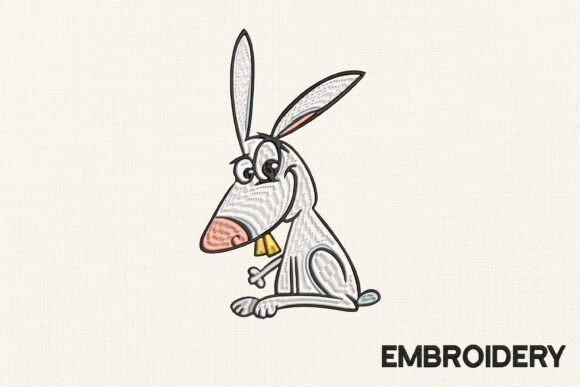
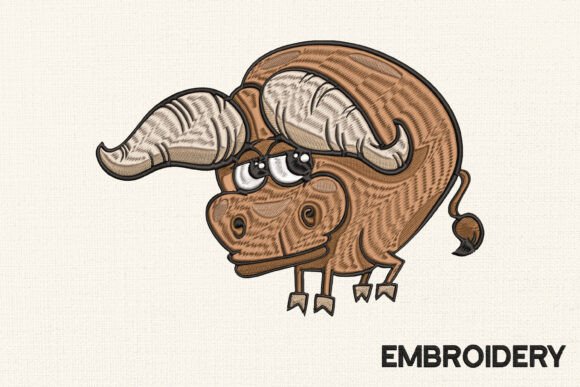
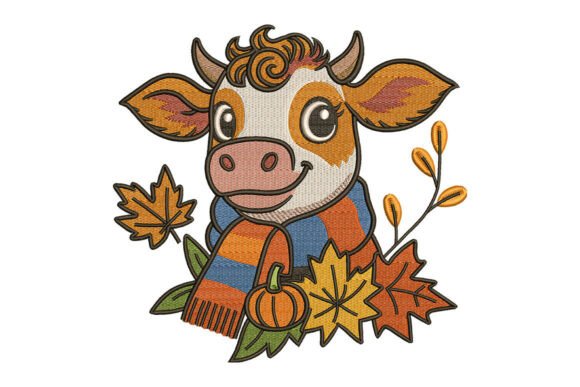
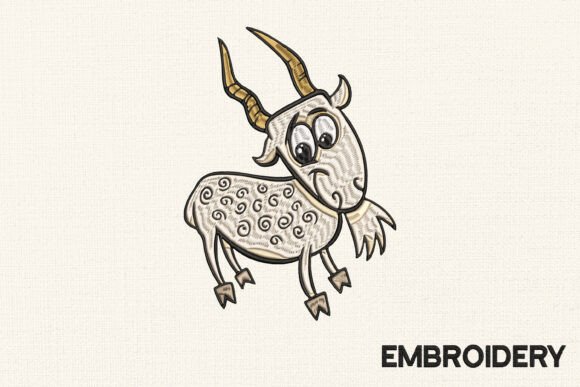
The first thing that strikes you about this design is its playful energy. The layout is balanced, avoiding the common pitfall of overly complex detailing that can get lost in translation when stitched out. The visual personality is lighthearted and approachable, making it an excellent candidate for products that aim to evoke joy or nostalgia. For embroidery designers, the clarity of the shapes suggests a thoughtful approach to digitizing, likely utilizing a mix of satin stitch for outlines and fill stitch for broader areas to create depth without excessive bulk.
When I visualize this design on a mockup, it does not feel forced. It belongs naturally to items that benefit from a touch of whimsy. Whether you are an Etsy seller looking to expand your spring collection or a hobbyist creating personalized gifts, the mood here is universally appealing. It avoids being too childish, which means it can cross over into adult apparel if styled correctly, such as on a minimalist tote bag or a structured cap.
Real-World Application and Project Fit
To test the versatility of this machine embroidery design, I considered several real-life scenarios. Imagine preparing a custom embroidered tote bag for a local farmers' market. The Funny Goat Embroidery Design would sit prominently on the canvas, offering a focal point that draws the eye without overwhelming the material. Similarly, for baby embroidery, this design shines on onesies or bibs. The rounded edges and friendly character make it safe and appealing for nursery decor and infant clothing.
For small business owners and craft entrepreneurs, this design offers strong potential for holiday embroidery lines, particularly around Easter or spring-themed promotions. It works exceptionally well on sweatshirt embroidery, where the texture of the fleece can complement the stitch density. If you are creating an embroidered patch, ensure the backing is sturdy, as the design’s integrity relies on clear definition between the goat’s features and the background. This is also a strong contender for kitchen towels and aprons, adding a rustic charm to home decor items that customers love to gift.
Performance on Different Fabrics
One of the critical aspects of any embroidery file is how it interacts with fabric texture. On stable woven fabrics like cotton twill or linen, this design should perform beautifully, with crisp lines and minimal distortion. However, when working with stretchy fabric or thin material, caution is required. The stitch density must be monitored to prevent puckering. I recommend using a cut-away stabilizer for knit garments like t-shirts to maintain shape, while a tear-away stabilizer may suffice for stable home decor items like tablecloths or pillow covers.
Dark fabric presents another challenge. If you are stitching this on navy or black apparel, you must carefully select thread colors that provide sufficient contrast. A test run on scrap fabric is non-negotiable here. Check how the lighter tones in the goat’s face pop against the dark background. If the design relies on subtle shading, it might get lost, so consider simplifying the thread palette for high-contrast applications.
Technical Considerations for Designers
Before loading this digital embroidery file into your machine, there are several practical steps to take. First, confirm the hoop size required. While the description notes it comes with various formats, always verify that the dimensions fit your specific hoop, especially if you are working on curved surfaces like caps. Hoop size limitations can force you to resize the design, which may alter the stitch density and affect the final quality.
Inspect the small details closely. In farm animal designs, eyes and hooves can sometimes become dense clusters of stitches. Zoom in on your digitizing software to ensure there are no unnecessary jumps or overly tight satin columns that could cause thread breaks. If the design includes any tiny lettering or intricate corners, assess whether they will hold up after washing. For products that need frequent washing, such as kitchen towels or baby clothes, durability is key. A running stitch used for fine details may wear out faster than a well-digitized satin stitch.
Thread color selection plays a massive role in the finished product’s appeal. Do not rely solely on the default color sequence provided in the embroidery file. Experiment with different palettes to match your brand consistency. For a rustic look, earthy tones work well; for a modern boutique vibe, consider pastels or monochromatic schemes. Testing the design in black and white mockups can also help you understand the value structure and ensure the image remains recognizable even without color.
Commercial Viability and Brand Value
For handmade shop owners and digital product sellers, the Funny Goat Embroidery Design offers more than just aesthetic appeal; it adds perceived value. A well-executed embroidery project signals professionalism and care, which builds customer trust. When buyers see clean stitch work and a charming design, they are more likely to engage with your brand and return for future purchases. This design fits seamlessly into a lineup of craft business items, from personalized gifts to small shop merchandise.
However, always confirm licensing before selling finished items or digital products. Understanding whether the embroidery file allows for commercial use is crucial for legal compliance. If you are creating printable mockups for your online store, ensure the preview images accurately represent the stitched outcome to avoid customer disappointment. Transparency about the design’s scale and texture helps manage expectations and reduces return rates.
Final Verdict
The Funny Goat Embroidery Design is a solid addition to any designer’s library. It balances charm with technical feasibility, making it suitable for a wide range of applications from custom apparel to home decor. By paying attention to stabilizer choice, thread contrast, and fabric type, you can ensure that every stitched piece meets high standards of quality. Whether you are an experienced embroiderer or just starting your craft journey, this design offers a reliable foundation for creating memorable, high-quality products.