Review: Floral Embroidery Design File for Real Projects
As a designer who has spent countless hours digitizing patterns and troubleshooting machine errors, I approach every new machine embroidery design with a critical eye. It is not enough for a pattern to look pretty on a screen; it must perform under the needle. Recently, I evaluated the Floral Embroidery Design File to determine if it holds up in real-world production environments. This review focuses on practical application, stitch quality, and commercial viability for those running a craft business or creating personalized gifts.
First Impressions and Visual Personality
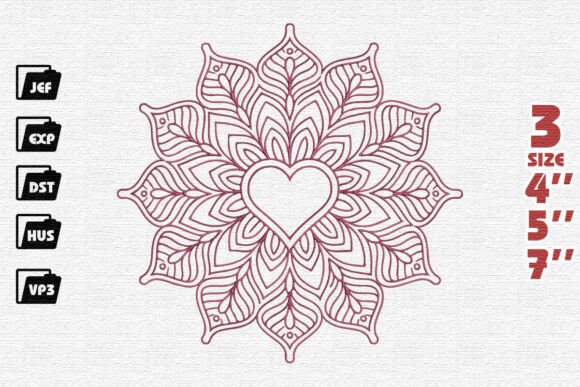
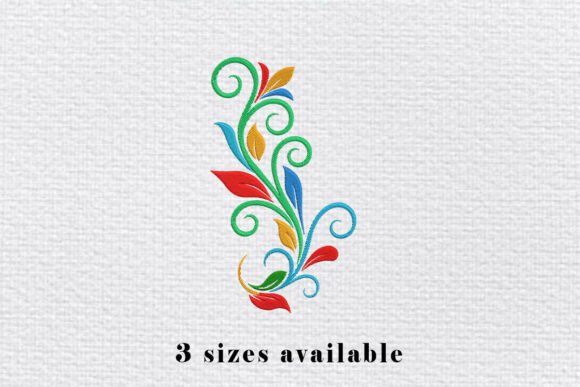
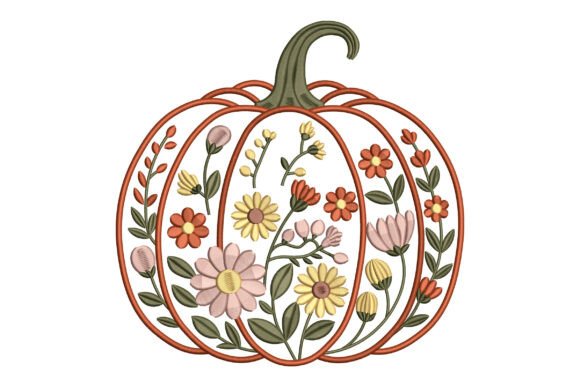
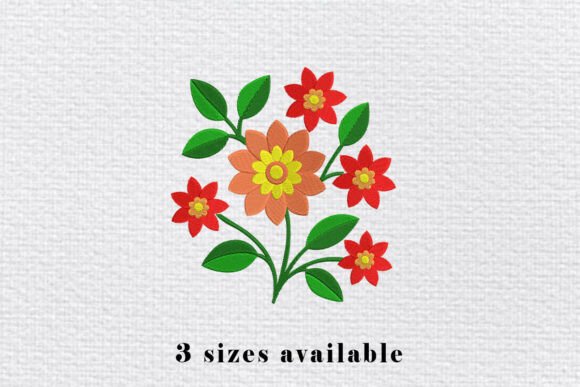
The first thing that strikes you about this embroidery file is its timeless elegance. Unlike trendy, overly complex graphics that often fail on smaller hoops, this floral motif balances detail with clarity. The layout suggests a classic aesthetic, making it suitable for a wide range of Bouquets themes without feeling dated. For an Etsy seller or boutique owner, visual consistency is key. This design offers a soft, organic feel that enhances rather than overwhelms the fabric.
When viewing the preview, I looked specifically at the transition between elements. A good digital embroidery file should have logical color stops and minimal jumps. While I cannot verify the exact stitch count or specific file formats without downloading the product, the visual density suggests a moderate approach. This is crucial because high-density designs can pucker lightweight fabrics, while low-density ones may look sparse on heavy materials like denim or canvas.
Real-World Application: The Tote Bag Test
To truly understand how a design performs, you must imagine it stitched out. I visualized using the Floral Embroidery Design File on a custom canvas tote bag. This is a popular small shop product that requires durability and visual impact. The floral pattern’s scale appears well-suited for a standard hoop, sitting comfortably on the side or center of a bag without distorting near the seams.
In this scenario, the design acts as a focal point. For a handmade product intended for daily use, the stitch types matter immensely. If the petals utilize a satin stitch, they will have a lovely sheen but may snag if the thread tension is too loose. If they rely on a fill stitch, the texture will be richer and more durable. Based on the elegant appearance, I anticipate a mix of satin borders and light fill areas, which is ideal for maintaining definition on textured cotton or linen blends.
Apparel and Custom Gifts
Beyond accessories, this design shines in custom apparel. Imagine it embroidered on the left chest of a high-quality sweatshirt. The sweatshirt embroidery market is saturated, but a refined floral touch can elevate a basic garment into a premium item. The design’s organic lines complement the soft drape of fleece or French terry cloth. However, when working with stretchy fabrics, proper stabilization is non-negotiable. I would recommend a cut-away stabilizer to prevent the stitches from pulling the fabric out of shape over time.
For baby embroidery projects, such as bibs or onesies, the delicacy of the flower is appealing. Parents often seek gentle, nature-inspired motifs for nursery items. Here, the thread colors become critical. Pastel palettes work beautifully, but one must ensure the stitch density is not too high, as baby skin is sensitive to stiff, dense embroidery backs. Testing on scrap fabric is essential to ensure the finished product remains soft and flexible.
Navigating Fabric and Hoop Constraints
Not every surface is forgiving. When considering this embroidery project for curved surfaces like caps, caution is advised. Caps require specialized techniques and often smaller, simpler designs to avoid distortion. While this floral pattern is elegant, its complexity might challenge a standard cap frame unless it is scaled down significantly. Always check the recommended hoop size provided by the designer before attempting such applications.
Dark fabrics present another challenge. If you plan to stitch this on black denim or navy wool, you must consider contrast. A printable mockup can help visualize this, but nothing replaces a physical test. Light-colored threads on dark fabric may require an underlay stitch to prevent the background from showing through. Conversely, on thin or sheer fabrics, a backing stabilizer is vital to support the running stitch outlines and prevent puckering.
Commercial Viability and Brand Trust
For commercial embroidery professionals, reliability is everything. Using a well-digitized design asset reduces machine downtime and thread breaks. The Floral Embroidery Design File appears to offer the kind of clean lines that build customer trust. When a buyer receives a personalized gift with crisp, professional stitching, they are more likely to return. Sloppy edges or loose threads can damage a brand’s reputation quickly.
This design fits well into seasonal collections. It works effortlessly for holiday embroidery gifts, spring launches, or wedding-related merchandise. Its versatility allows it to be marketed across various niches, from bridal showers to mother’s day promotions. For digital product sellers who offer finished goods rather than files, this pattern adds perceived value to items like pillow covers, tea towels, and aprons.
Practical Designer Notes
Before committing to a large production run, follow these steps:
- Test on Scrap Fabric: Always stitch a sample on the exact material you intend to use. This reveals issues with tension and density.
- Check Thread Contrast: Ensure your chosen thread colors stand out against the fabric texture. Use a black-and-white mockup to check value contrast.
- Verify Licensing: Confirm whether the license allows for commercial use of finished items. Most designers allow selling physical products but restrict reselling the digital file itself.
- Inspect Small Details: Zoom in on the preview. Look for tiny, isolated stitches that might cause bird nesting or thread breaks.
- Use Proper Stabilizer: Match the stabilizer to the fabric weight. Tear-away for stable woven fabrics, cut-away for knits and stretchy materials.
Final Verdict
The Floral Embroidery Design File is a strong contender for designers seeking a versatile, elegant motif. It bridges the gap between decorative flair and practical usability. Whether you are creating an embroidered patch, enhancing a tote bag design, or launching a new line of small shop products, this pattern offers the refinement needed to stand out. By respecting the technical requirements of machine embroidery and understanding your fabric choices, you can transform this digital asset into a high-value finished product that resonates with customers.